


Anti-piracy softwarefor video and online courses

Stop paid video being downloaded, re-uploaded and passed around — with studio-grade DRM, dynamic watermarks and access rules included on every paid plan.

Trusted by more than 6,000 clients in 48 countries and counting

How paid video actually leaks

Four routes account for almost every leak. Each one needs a different control — which is why a single feature never covers it.
Downloaded straight off the page

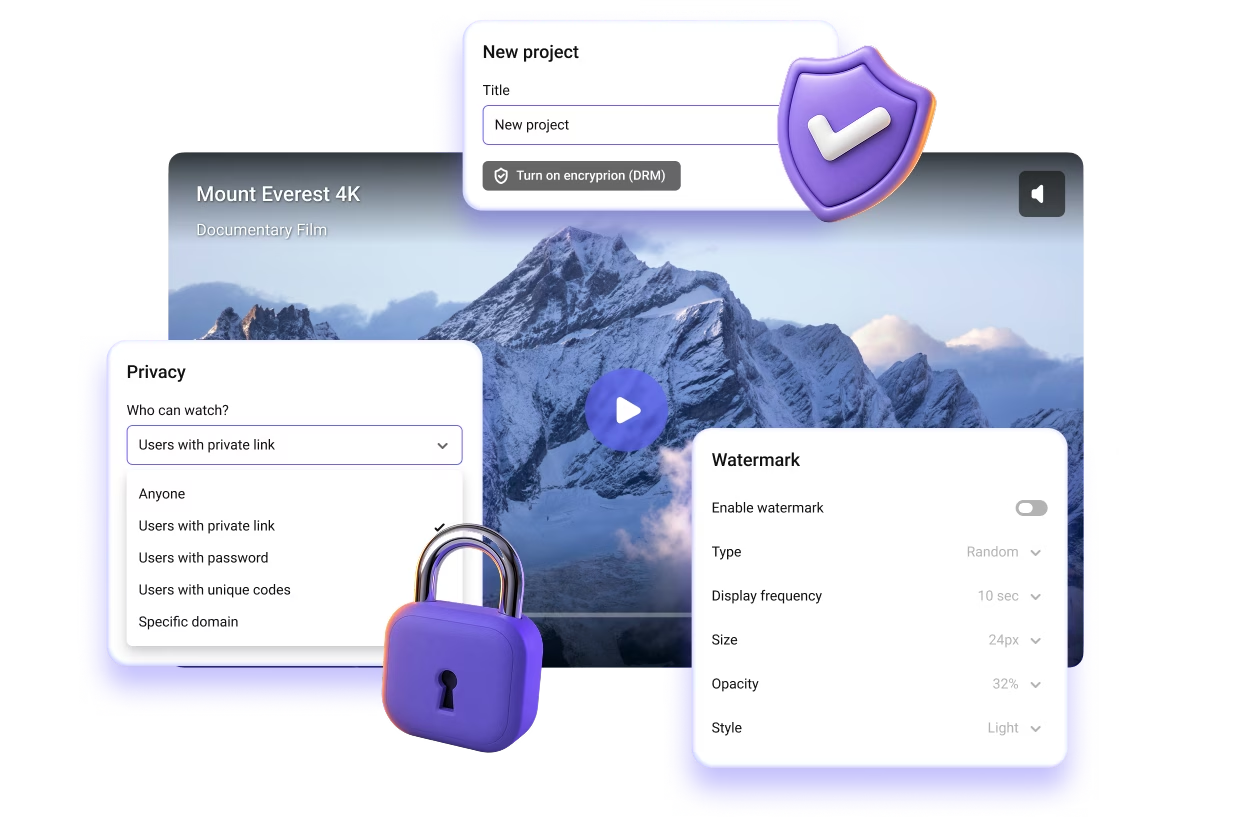
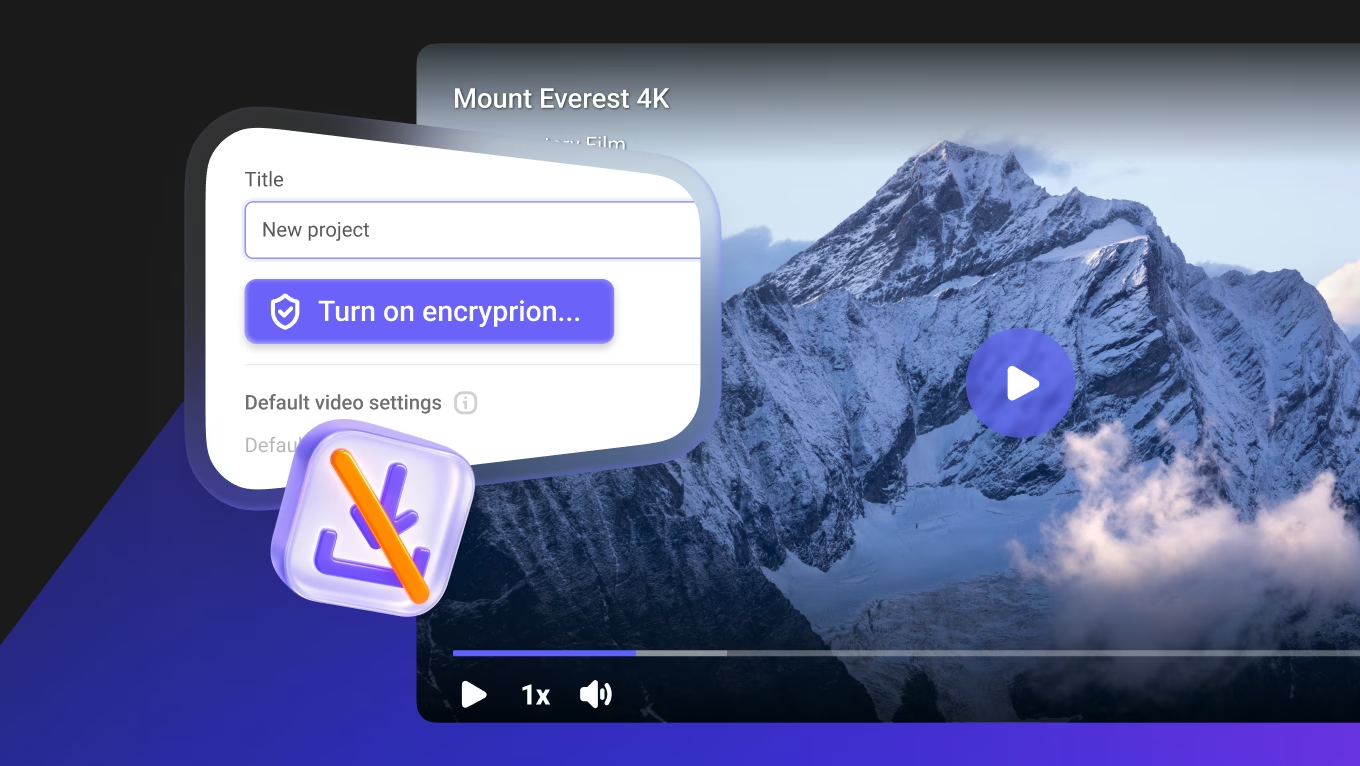
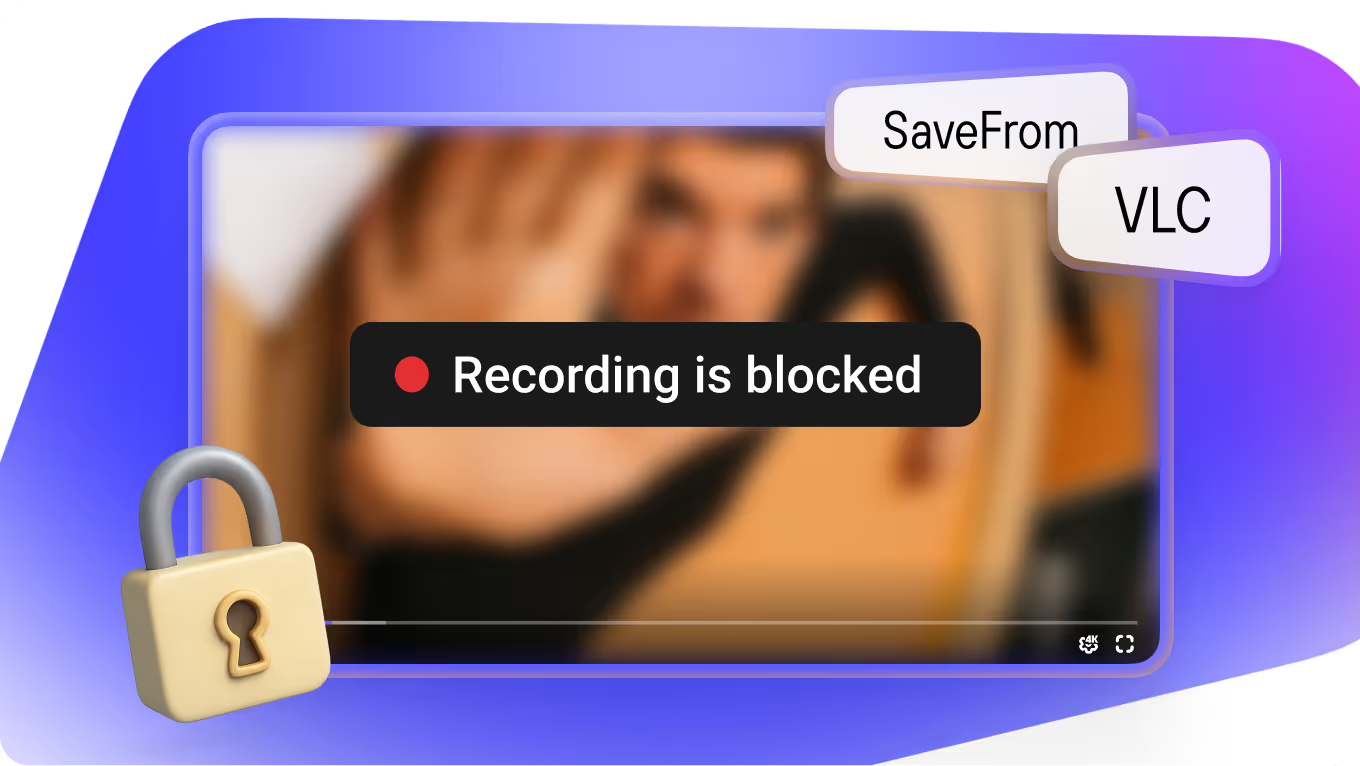
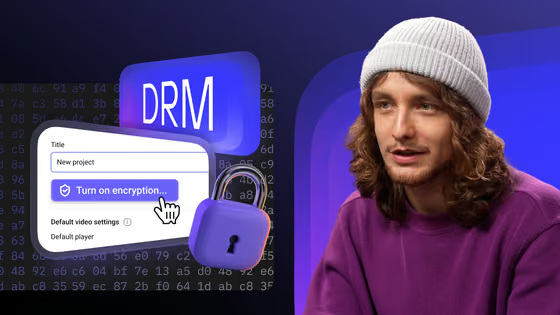
Browser extensions and tools like SaveFrom or VLC pull the source file from a normal video page in one click. With DRM on, every resolution is encrypted at the file level, so what lands on disk is ciphertext no player will open.

Re-uploaded on someone else's site

A copied embed code turns your paid lesson into free content on another domain. Domain restrictions tie playback to the sites you approve, wildcards included, and signed links expire on a schedule you set.

Recorded off the screen

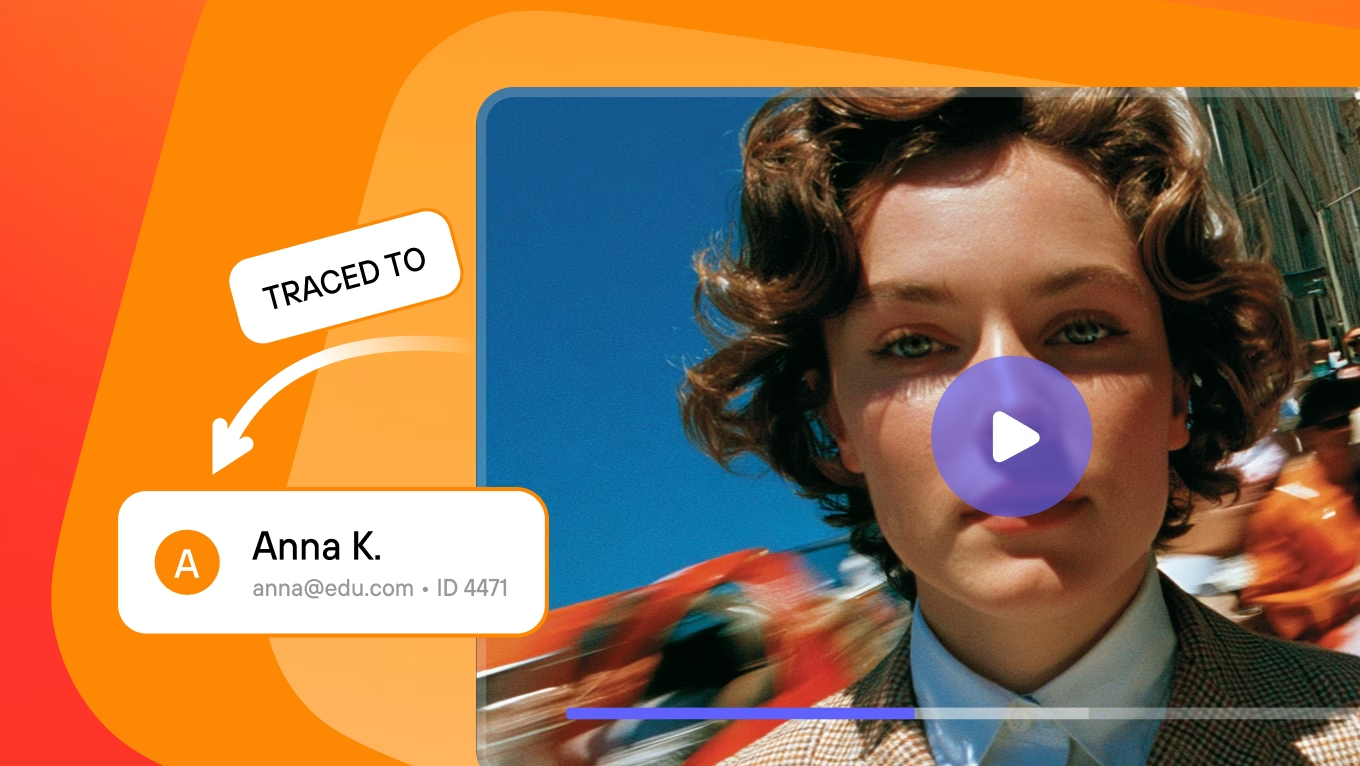
Screen capture is a system-level action, so no platform blocks it everywhere. Kinescope blocks it where the OS allows, and dynamic watermarks burn the viewer's name, email or ID into every frame — a recording that leaks points straight back to whoever made it.

One login, shared with everyone

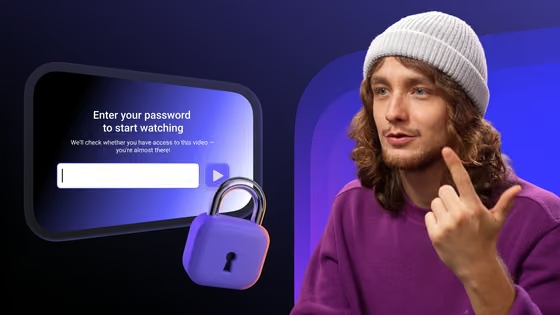
The cheapest piracy is a password passed around a group chat. One-time codes with session limits and expiry, approved email domains and SSO on the Mega plan keep a single purchase to a single viewer.

What anti-piracy software has to cover

Multi-DRM, not one vendor

Widevine covers Chrome, Edge and Android; FairPlay covers Safari, iOS and macOS. You need both — together they reach the overwhelming majority of devices viewers actually use.

Dynamic watermarking

A watermark that carries the viewer's own identity turns an anonymous leak into a traceable one. Static logos deter nobody; per-viewer marks change the maths for the person sharing.

Signed links with expiry

Playback URLs that are signed and time-limited stop hotlinking and stale links being passed around long after access should have ended.

Domain lock

Embeds that only play on domains you approve, wildcard subdomains included — or no embedding at all when you want direct delivery only.

Session and access control

Per-video passwords, one-time codes, session limits, approved email domains and SSO. Your auth backend keeps the final say on who gets a key.

Protection that keeps your data

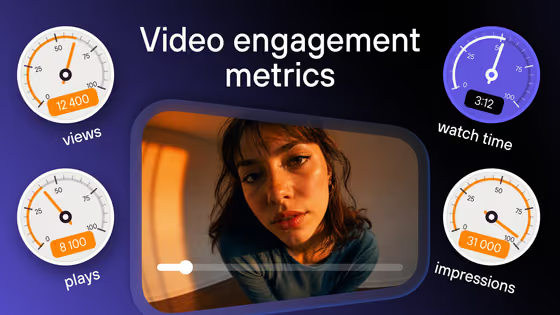
Retention curves, drop-off points, live viewer counts and geography all behave exactly as they do on unprotected video. Security that blinds your analytics is not a trade worth making.

What each layer actually stops

No single control covers everything, and any vendor promising total protection is overselling. Here is the honest map — stack the layers and the gaps close.

Protection layer
What it stops
What it doesn't
Password on the page
Strangers opening the link
Download, re-upload, recording — everything after login
Signed link with expiry
Hotlinking and links that outlive access
A download taken while the link is still valid
Domain restriction
Your embed playing on other sites
Anything happening on your own page
DRM (Widevine + FairPlay)
Downloading, ripping and extracting the file
A camera or capture card pointed at the screen
Dynamic watermark
Anonymous leaking — every frame names the viewer
The act of recording itself
All of the above, layered
Every route above, in one configuration
Nothing that stays untraceable to a specific viewer

Video piracy isn’t software piracy

Most vendors ranking for “anti-piracy software” protect executables: games, desktop apps, licence keys. That is a real problem and they solve it well — but it is not yours if what you sell is video.

A video file has to be decrypted to be watched, so protection lives in the stream, the licence exchange and the player. Kinescope covers that path end to end: multi-DRM on the file, watermarks in the frames, signed links and domain rules around delivery, and your own auth backend deciding who gets a key.

«Kinescope's affordable, scalable, and accessible video solution has been a game-changer, empowering us to deliver world-class education to hundreds of thousands»

Eriky Kunitake, Head of Business & Operations, Ada (500,000+ learners · moved from Mux to Kinescope)
Read more

Anti-piracy shouldn’t need an enterprise contract

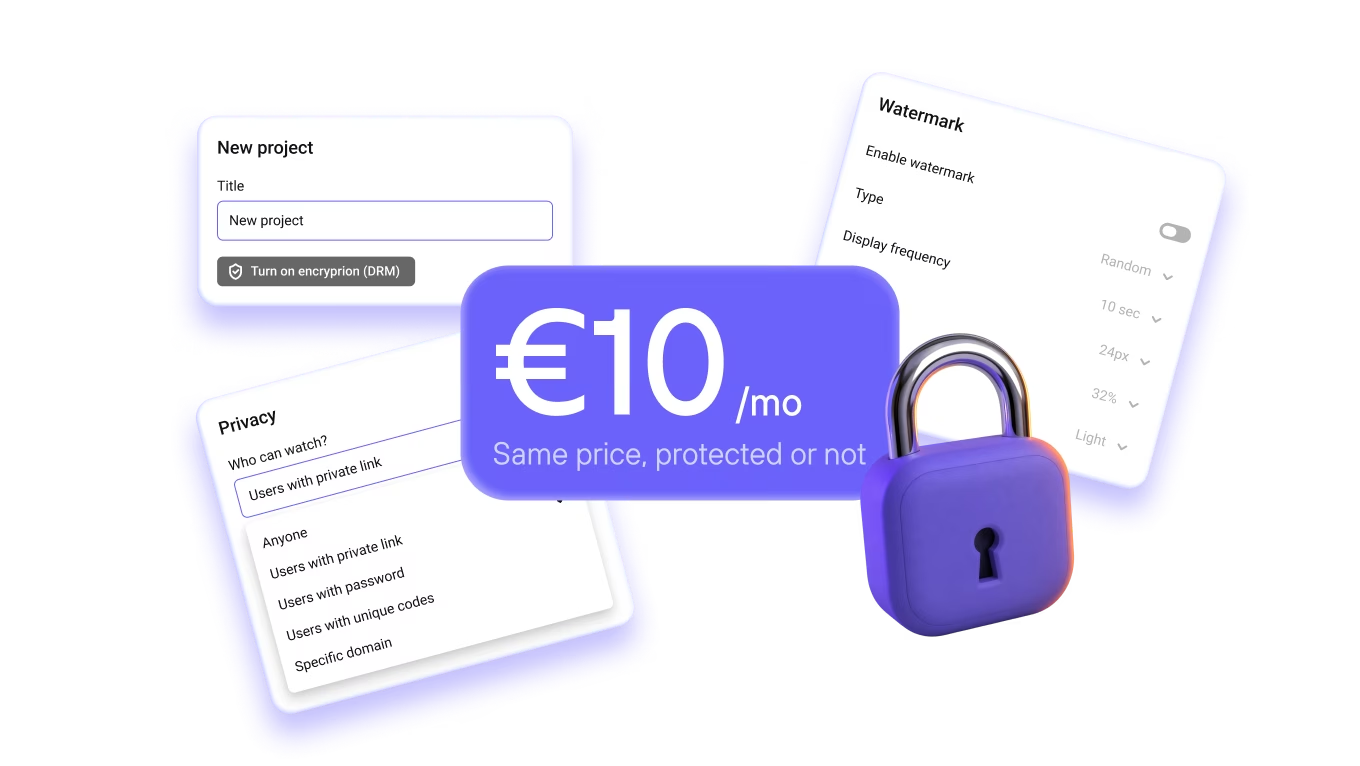
On most platforms, protection is the feature that pushes you onto a custom-quoted annual plan. On Kinescope, DRM, watermarking and access controls ship on every paid plan from €10/month, and protected delivery is priced the same as ordinary delivery. The full comparison has the numbers.

Already hosting somewhere else? Bring the library across — the move is free on Super and Mega plans, all metadata preserved, usually done in a week or less.

FAQ

Can’t find the answer you need? Check out our Help Center.

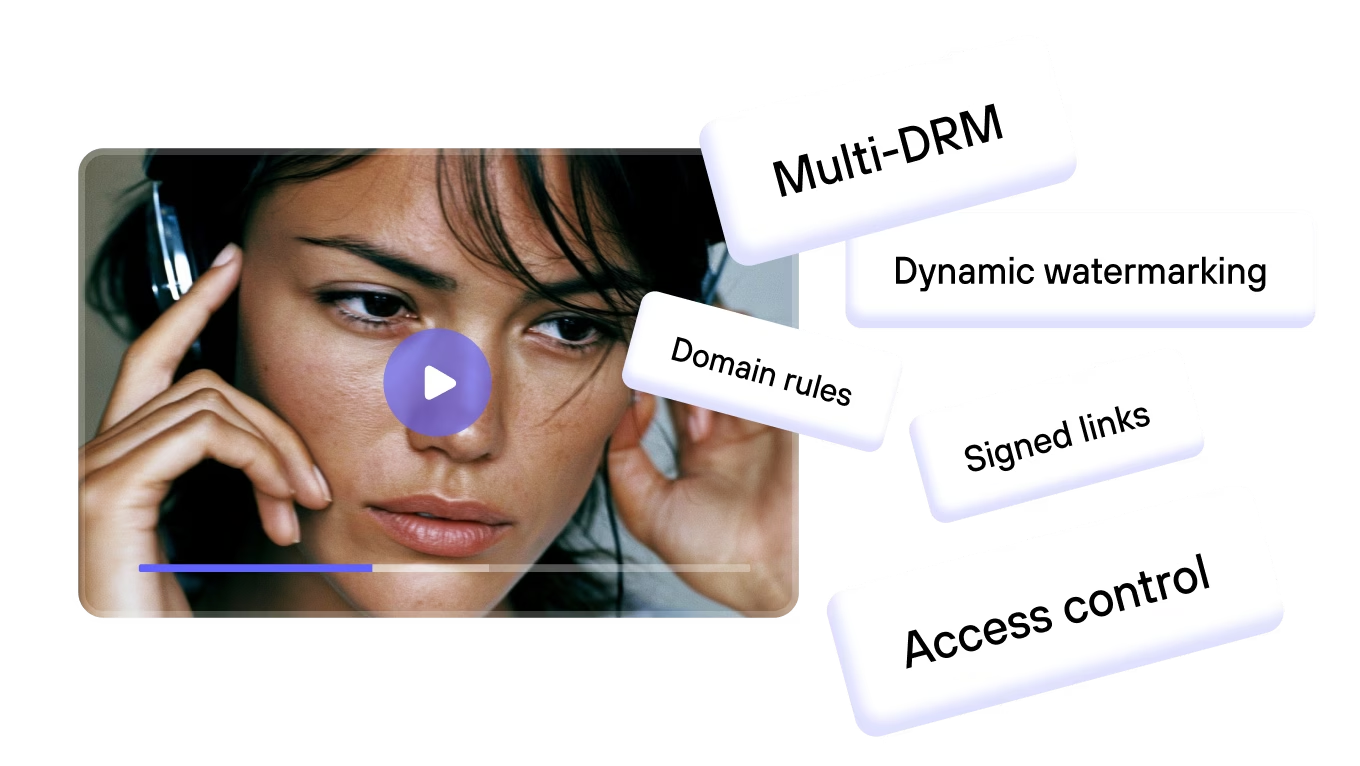
Anti-piracy software is the set of controls that stop paid content being copied, redistributed or resold. For video it means four things working together: DRM encryption on the file, watermarks that identify the viewer, signed links that expire, and access rules that decide who gets a playback key in the first place.
Those protect executables — games and desktop applications — against cracking and unlicensed copies. Video piracy is a different problem: the file is streamed to a browser that has to decode it, so protection lives in the stream and the player, not in a licence check inside a binary. If you ship software, those vendors are the right call. If you sell video, you need multi-DRM, watermarking and access control, which is what Kinescope does.
Partly. Kinescope blocks capture on iOS, Android, macOS and Windows wherever the OS allows it. Nothing blocks it everywhere, because screen capture is a system-level action — and any vendor claiming otherwise is overselling. That is what dynamic watermarking is for: the recording still carries the viewer’s name and email on every frame, so the leak is traceable and the deterrent is real.
No. Widevine and FairPlay are built into modern browsers and operating systems, so the viewer presses play and notices nothing. Kinescope runs the licence servers and key exchange; you switch protection on per project.
It's included. DRM ships on every paid plan from €10/month, and protected delivery costs the same as ordinary delivery — no per-play fee, no enterprise contract to unlock it. See pricing for the full breakdown.
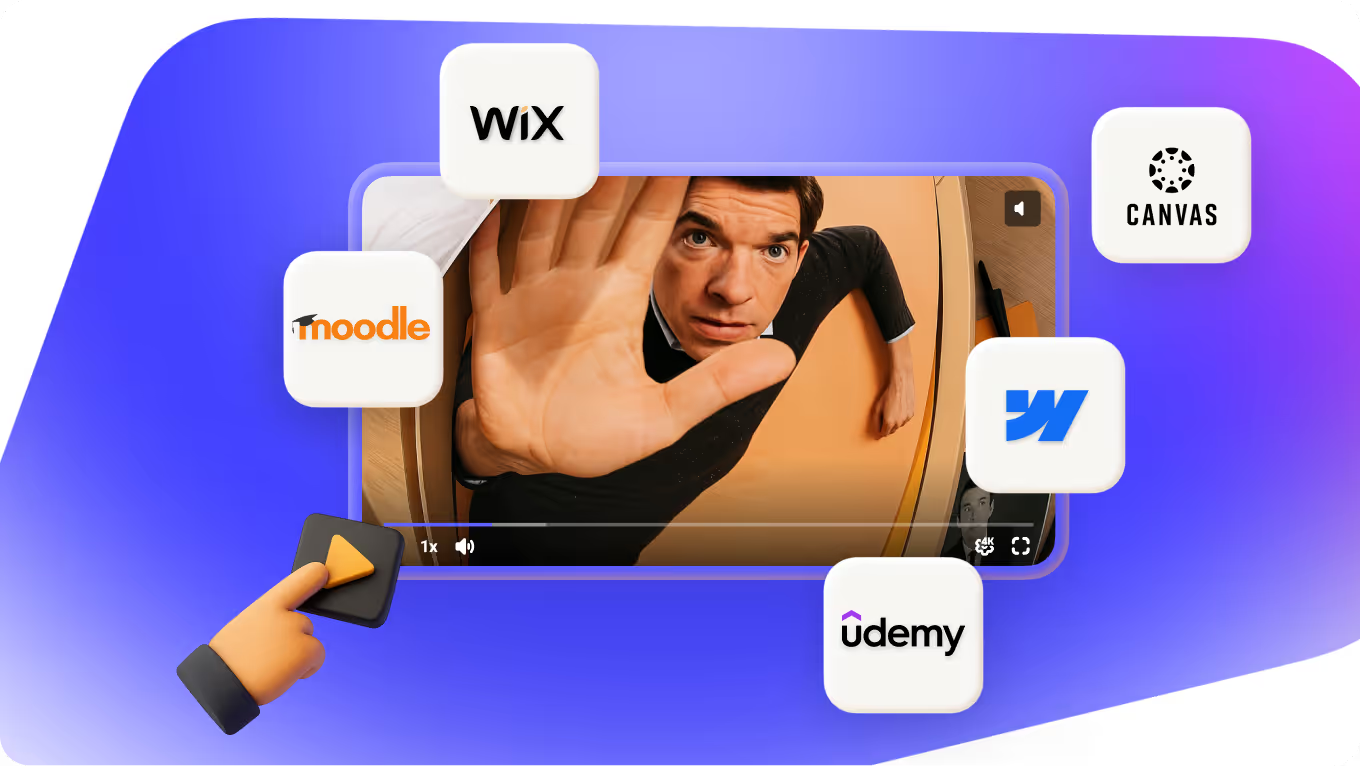
Yes. Protection travels with the embed, so it works in Moodle, Canvas, Teachable, Thinkific and any platform that accepts an embed code — no plugin for you or your students. More on the mechanics in DRM video hosting.
Yes, when dynamic watermarking is on. Each viewer's session renders their own identifier into the frames, so a leaked copy identifies the account it came from. Combined with access logs, that is usually enough to close the hole rather than guess at it.

Protect what you sell, from €10/month

DRM, watermarks and access rules on every paid plan. No card required.