
















A contract worth negotiating: how Proz Educação left Vimeo and cut video costs 5×





About Proz
Proz Educação is one of the main players in technical training in Brazil, present in more than 8 states and 130 cities, with a model that combines its own units, partnerships with industry companies and programs with state governments, training students in the areas of management, technology and health. Its promise to students is employability: a faster, more targeted route into the workforce than a university degree.
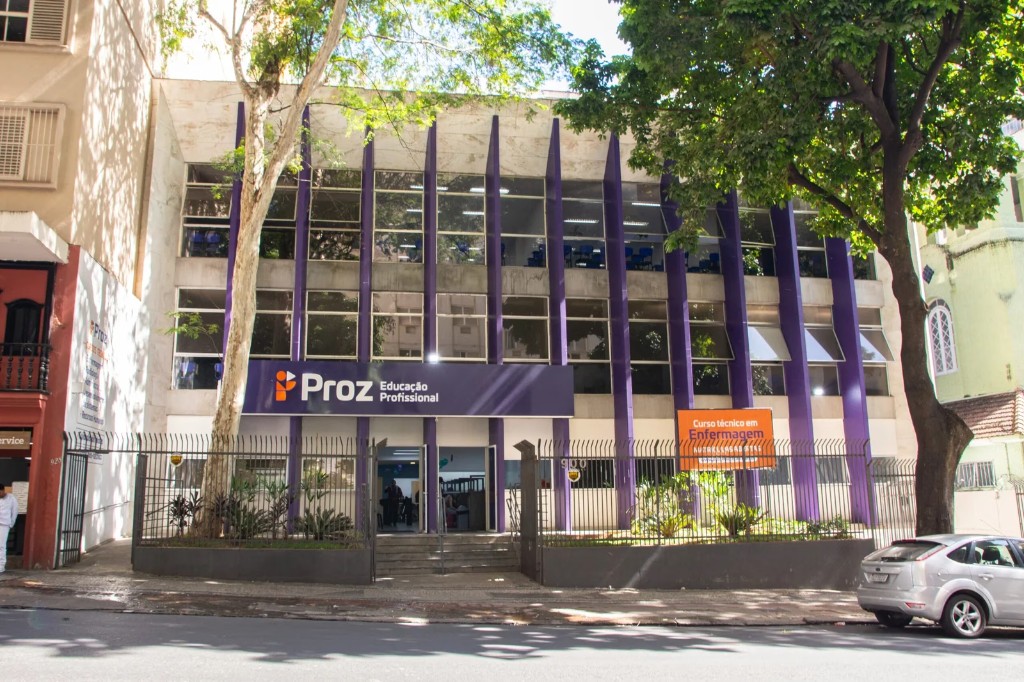
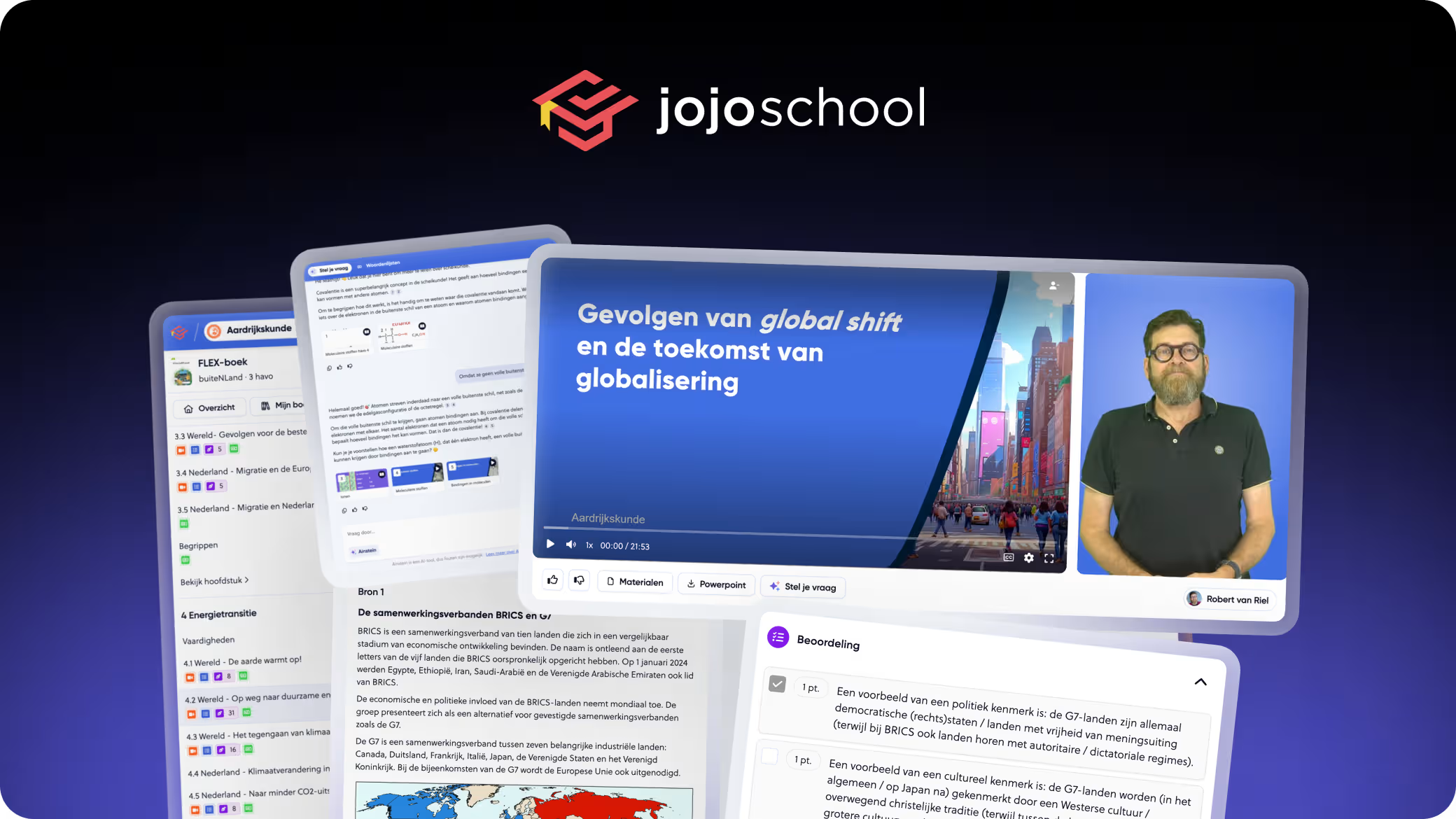
In the eyes of the regulator, technical education in Brazil falls closer to secondary schooling than to higher education, which brings heavier rules. None of Proz’s courses run fully online, but every one has an online component delivered through the school’s own LMS, Joy Class, to fit around students who often work shift patterns and can’t be on campus every night.
Most of the teaching still happens in person; the online component carries the theory — recorded lectures students work through between shifts. Video is a supporting part of each course, but the part students engage with most, and it shows in how they do on the assessments that follow. The library now runs to close to 1 TB.
Felipe Do Espirito Santo, Proz’s Head of Technology, owns the technology decisions, and he walked us through the move to Kinescope.
The challenge: a heavy bill, and a vendor Proz couldn’t reach
Proz hosted its video on Vimeo, where the infrastructure worked fine. What didn’t work was the cost: priced against the number of videos and the monthly views, the contract weighed heavily on the budget, quarter after quarter.
Vimeo was also hard to deal with as a partner. Reaching the team to align on anything, from commercial terms to legal points, was difficult, and the contract came as a fixed document.
With Vimeo negotiation was impossible. It was: this is our contract, you sign it if you want. Kinescope adjusted the draft where our legal team asked, exit clauses included, and no abusive penalty for leaving early.
For a school in a heavily regulated market, that rigidity is a real obstacle. Proz’s legal team has to be able to adjust terms before it will sign, and a fixed contract leaves no room for that.
Why Kinescope
By the time Proz went looking for a Vimeo alternative, its contract was near the end of its term, so the search was real. Two things shaped the final decision:
- A contract Proz could negotiate. Kinescope’s terms were open to change: exit and change clauses, no abusive cancellation penalty, and no multi-year lock-in, since the model is pay-for-what-you-use. In a market this regulated, being able to shape the agreement mattered as much as the price.
- Cost. On the same volume of video and views, Kinescope came in at roughly 5× less than Vimeo.
With Kinescope, you don’t feel like you’re tying yourself to a two- or three-year contract. Your company can grow, shrink, or change focus in that time.
One migration, two wins
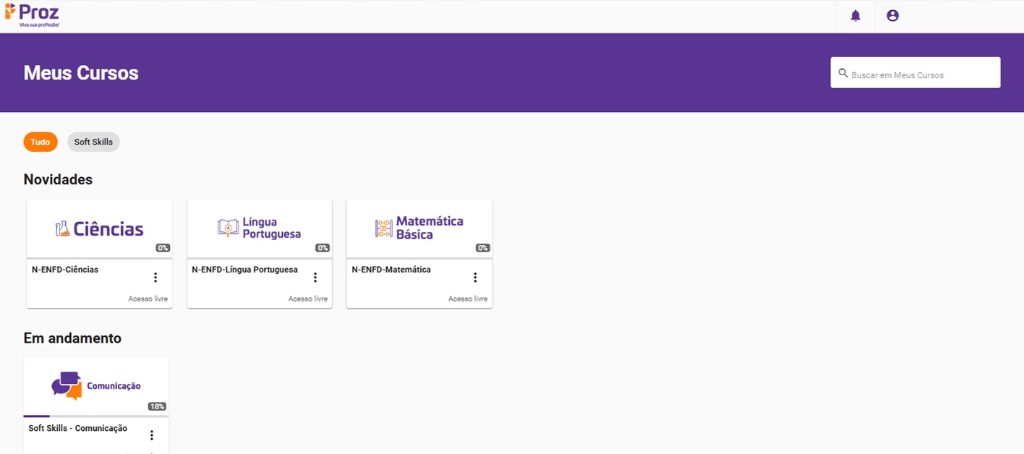
Proz runs its own LMS, with no full-time person on it, so dropping in a new video player was the part that could have dragged. The team turned it into an experiment instead: they wrote the integration with Copilot and other AI coding assistants, one of the first times Proz had built anything this way. Kinescope had sent ready-made code examples before anything was signed, which gave them a head start.
The video transfer itself they did by hand. Once Kinescope handed over the API key, Proz mapped old links to new ones and moved the library across over a weekend. The LMS had already carried two or three players before, so the new one slotted in cleanly. To stay safe, they tested everything on a copy of the site first and kept the old videos live until the Vimeo contract ran out — a fast way back if anything broke — and only then switched over for real.
Switching to Kinescope was a triple win. We changed platforms, cut costs, and kept our exact level of service, all while piloting AI-assisted development to ship new LMS features.
Testing included, the whole project took one to two months; the move itself was about a week.
The results: paying ~5× less for better service
The biggest quick win was the cost: roughly 5× less than the old Vimeo bill for the same volume, and the savings grew as the last months of the Vimeo contract ran out. Just as useful, Proz can finally see how much video it is consuming and how much students are actually watching.
What the team didn’t expect was how much else improved once it was live on Kinescope:
- Steady at peak times. At the end of every three-month module, students rush to finish their online content and access spikes. The platform has absorbed every spike without a single outage since Proz went live.
- Transparent billing. On Vimeo, the billing link hid in email, and admin and finance had separate logins. In Kinescope’s dashboard, the numbers and controls are where you need them.
- Faster support. Answers come through the WhatsApp group Brazilian teams already use, and every adjustment the team asked for came back quickly.
People assume a lower cost means lower service. For us it was the opposite — the support actually got broader.
Internally, Proz now calls the switch a case that worked: video went from a heavy quarterly bill to infrastructure the team can build on.
What’s next
Proz is about to launch its first fully online technical courses, with many more hours of video on the platform than anything it runs today — one is already approved by the regulator. Designing them is when the team plans to dig into what else Kinescope can do. For now, the video simply works, and the cost has stopped being a worry.
Tell us your terms. We’ll fit the video around them.
Hosting, delivery, and DRM are on us. The contract is yours to negotiate, without abusive cancellation penalty or multi-year lock-in, so you only pay for what you use. We’ll help with the move, too. Send us your volume and your terms, and we’ll come back with numbers.