






DRM included, not an add-on
On Mux, DRM is an add-on: $100 a month plus $0.003 for every license, and only for plus and premium video quality. Kinescope includes Widevine and FairPlay on every paid plan from €10 a month.
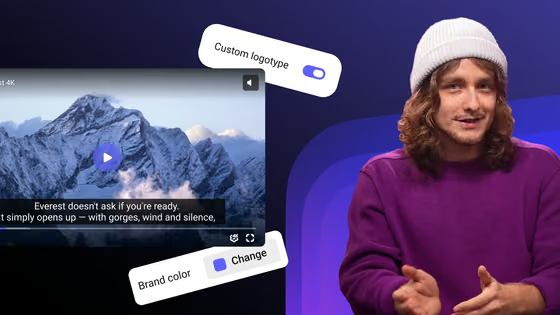
 PlayerAd-free, 4K, yours to brand
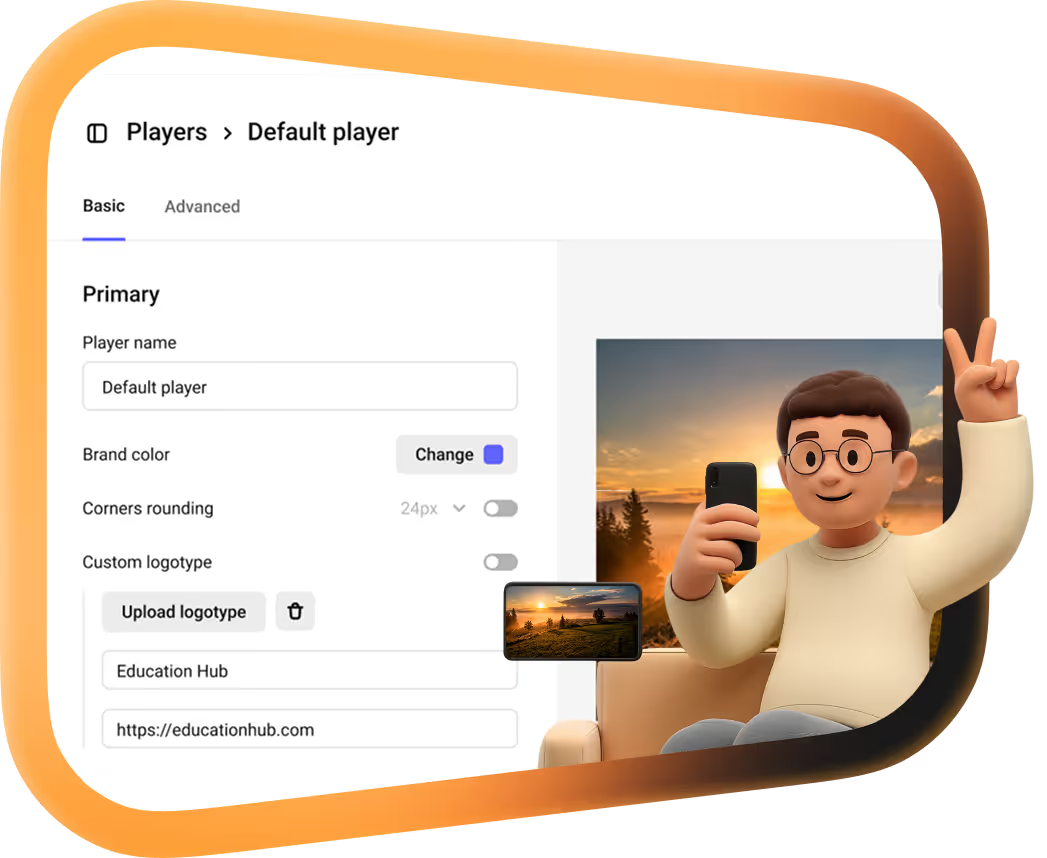
 An embeddable video player: ad-free, 4K, yours to brand
Fast, customizable and ad-free video player for websites, CMS and platforms.
 Video hostingFor content you can’t afford to lose
 Secure video hosting for content you can’t afford to lose
Secure video storage, processing and global delivery with high performance.
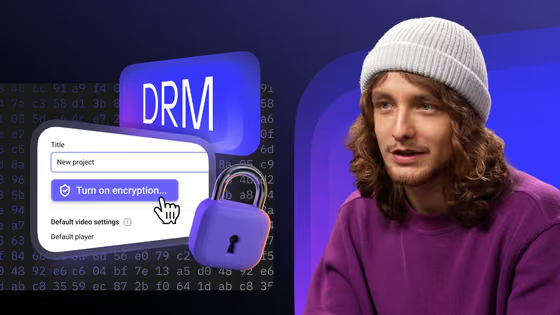
 DRMWidevine and FairPlay on paid plans
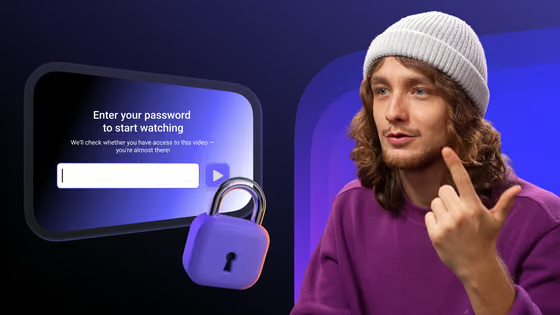
 Multi-DRM video hosting: Widevine and FairPlay on every paid plan
Encryption, with watermarks and access rules that turn it into a full protection stack.
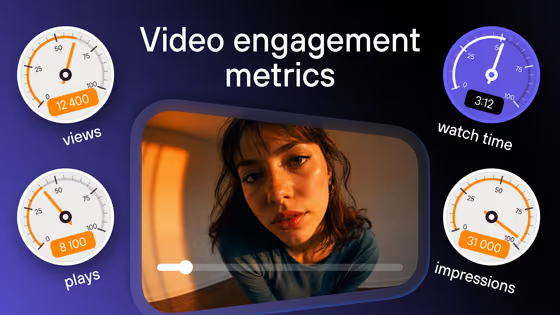
 AnalyticsTurns views into insights
 Video analytics that turns views into insights
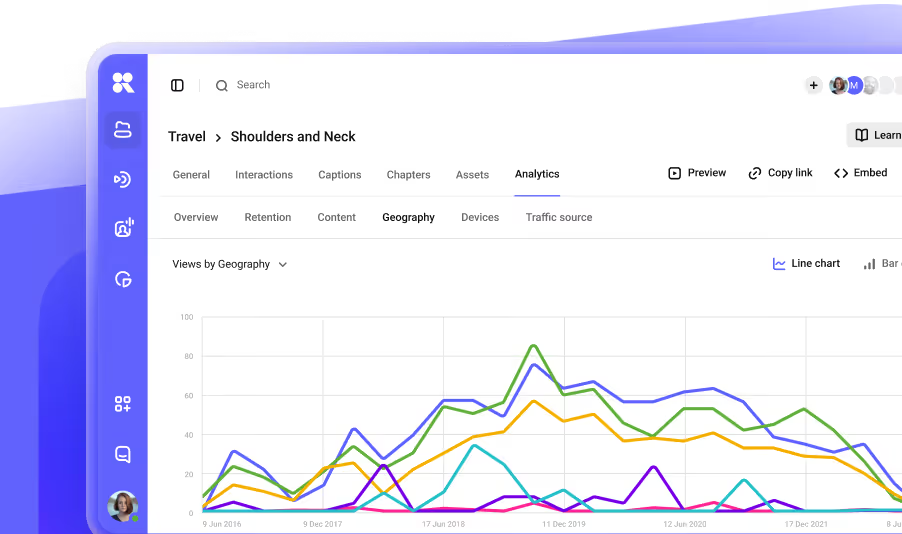
Real-time video analytics: views, retention, engagement and audience behavior.
 StreamingLive and on demand, at any scale
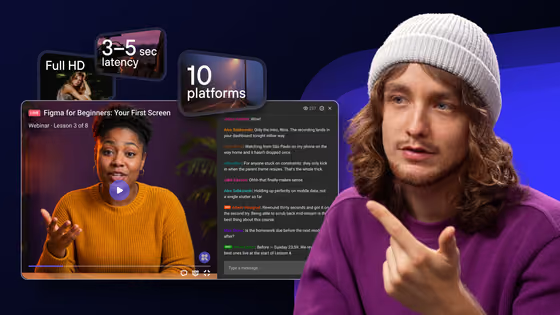
 Low latency streaming for enterprise: live and on demand, at any scale
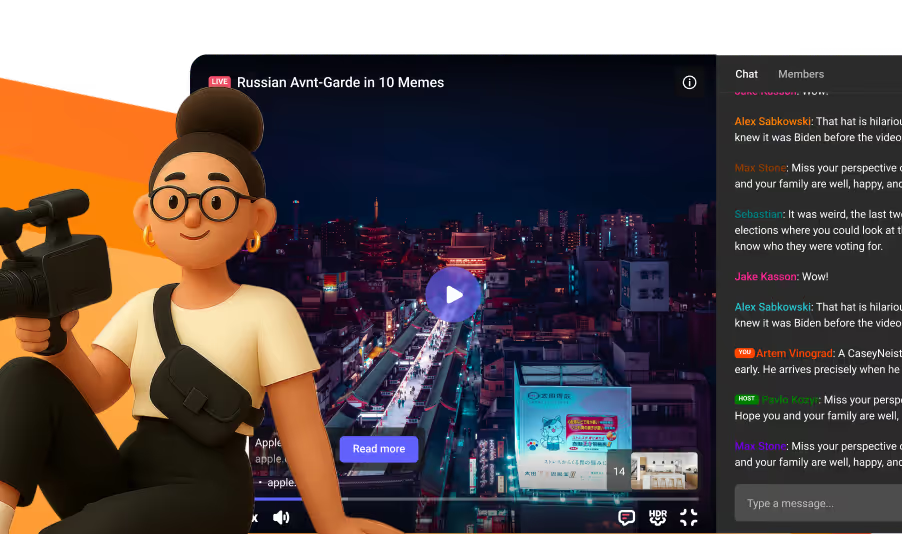
Stable low-latency live streaming for events, webinars and product launches.
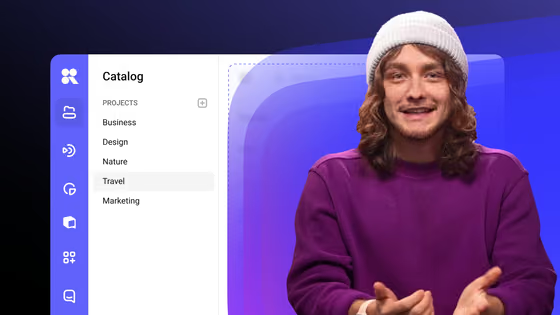
 ManagerVideo CMS built for teams
 Video content management system built for teams
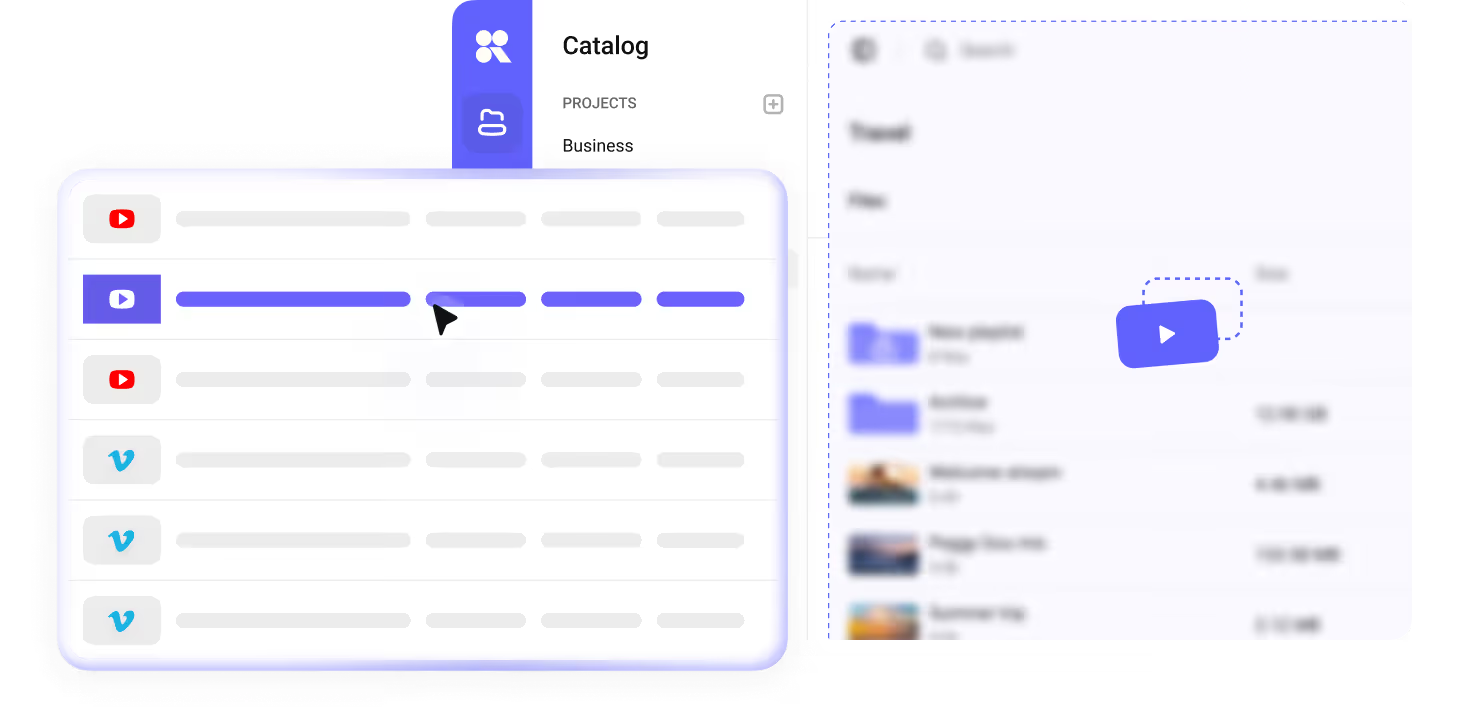
Central dashboard for upload, organization, access control and permissions.
 CDNFast delivery worldwide
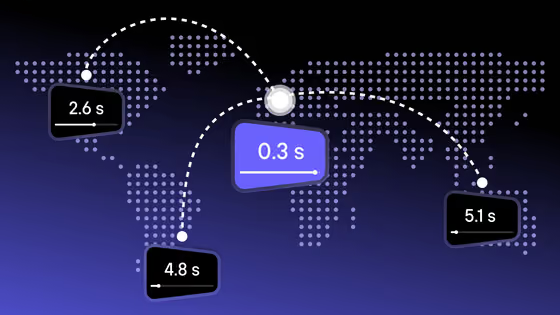
 Video CDN, built in: fast delivery for your video, worldwide
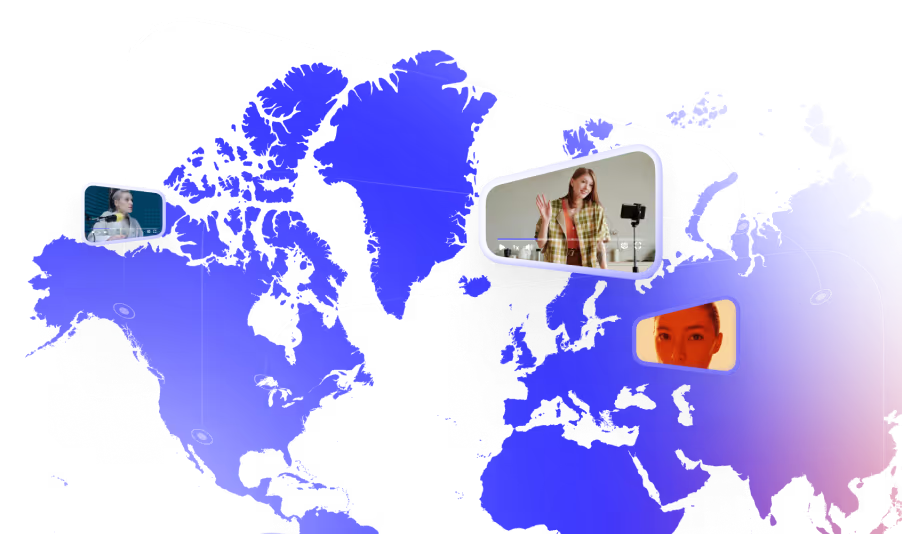
Global infrastructure for reliable storage and fast playback — at the cost of rented servers.
 Video API Developer hub, MCP server and 8 SDKs
 Video infrastructure for the agentic era
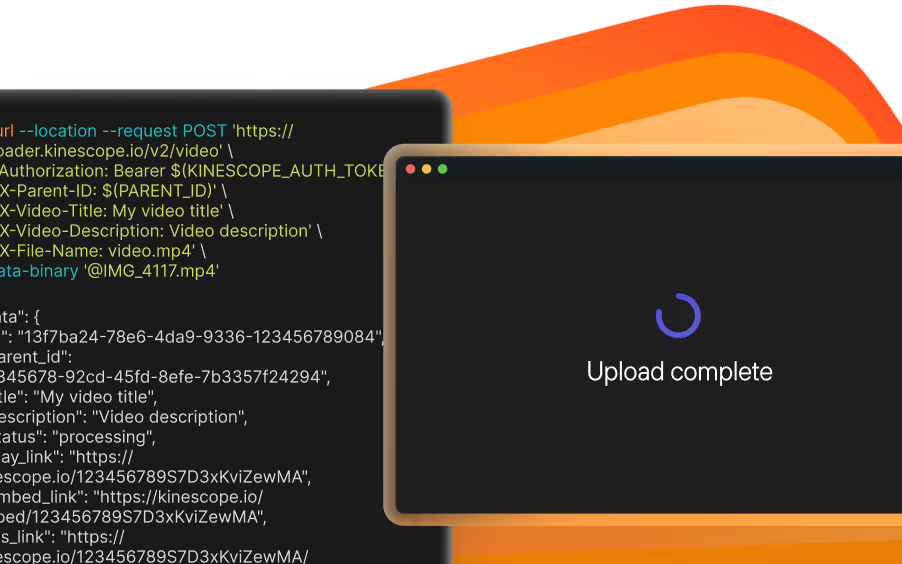
One video streaming API for resumable upload, parallel transcoding, Widevine and FairPlay DRM, live streaming, CDN delivery and analytics.
curl -X POST https://uploader.kinescope.io/v2/video \
  -H "Authorization: Bearer $KINESCOPE_API_TOKEN" \
  -H "X-Parent-ID: $PARENT_ID" \
  -H "X-Video-Title: Lesson 1" \
-H "X-Video-URL: https://example.com/lesson-1.mp4" API reference REST API with one Bearer token
 API reference
Send REST requests with JSON to api.kinescope.io/v1, passing your API token as a Bearer header.
 Player docs Iframe, IFrame API and playlists
 Player docs
Paste the iframe, or drive the player from JavaScript with the IFrame Player API.
<iframe src="https://kinescope.io/embed/VIDEO_ID"
  allow="autoplay; fullscreen; picture-in-picture; encrypted-media;"
  frameborder="0" allowfullscreen
width="560" height="315"></iframe> SDKs 8 open-source player SDKs
 Eight open-source SDKs for the same player
 Integrations WordPress, Moodle, Zoom and more
 Integrations
 MCP server For AI agents, in public beta
 Connect your AI agent to Kinescope
Kinescope MCP Server, now in public beta, lets Cursor, Claude Desktop, Claude Code and other MCP clients work with your workspace in plain language. It uses your API token and your account’s access rights, and delete operations are turned off.
"Kinescope MCP": {
  "type": "streamable-http",
  "url": "https://api.kinescope.io/mcp",
  "headers": {
    "Authorization": "Bearer …"
  }
} BlogGuides and product updates Video BlogShort tutorials and tours
  Customer storiesHow six teams switched
  Mathijs de RuiterJoJoschool
 Whole catalogue · within a week ~8×lower projected video costs …a human touch, stable performance, and fair prices
  Denis KorovkinEBAC
  16 TB · a couple of weeks ~60%lower video costs Kinescope’s affordable, scalable, and accessible video solution has been a game-changer…
  Eriky KunitakeAda
  Around 700 hours · under two months
  Glossary25 terms in plain English
  Knowledge base Guides, API and player docs Getting startedMigrating from other platformsContent protectionPlayer setup and embeddingLive streamsAPI reference
 Search the docs or ask AI right inside the help center.
 Kinescope vs Mux:
On Mux, DRM is an add-on: $100 a month plus $0.003 for every license, and only for plus and premium video quality. Kinescope includes Widevine and FairPlay on every paid plan from €10 a month.
Mux burns a static image into the video, and its docs note this doesn’t support per-user or forensic watermarking. Kinescope adds a dynamic per-viewer watermark, so a leaked copy points to the account it came from.
Mux’s iOS and Android player SDKs are in public beta, and Flutter or React Native need a bridge to them. Kinescope ships open-source SDKs for iOS, Android, Flutter, React Native, React, Vue and Angular.
Mux charges for encoding, storage and delivery by the minute, with 1080p at 1.25×, 2K at 2× and 4K at 4× the base price. Kinescope bills delivery from €0.03/GB down to €0.01/GB with volume, plus €0.01 per minute of processing, charged once on upload.
Kinescope targets 99.98% monthly uptime, with a financial SLA on the Mega plan. Mux publishes no uptime percentage — SLAs come with its Enterprise plan, where custom contracts begin at $3,000 a month.
Our team automates the move with your Mux asset IDs. Ada moved around 700 hours of courses from Mux in under two months and cut its video costs by about 60%.




We automate the move with your Mux asset IDs, so every video in Kinescope is matched to its Mux original. Ada moved around 700 hours of courses in under two months and cut its video costs by about 60%. Hands-on EN/PT support throughout.


Can’t find the answer you need? Check out our Help Center.
https://api.kinescope.io/mcp in public beta and works with Cursor, Claude Desktop, Claude Code and other MCP clients. With your API token, an agent can search and edit videos, organise projects and playlists, pull analytics and manage live streams; delete operations are disabled. Setup is in the developer hub.