


















Top 7 motion design studios for SaaS product videos in 2026


Make every frame count
Finding a motion design studio for a SaaS product sounds straightforward until you start comparing portfolios. Almost everyone offers explainers, product videos, and animation, but those services can mean quite different things depending on the studio.
The differences become clearer when you look at how the work gets done. One studio might build a video around actual product screens, while another develops an original animated story. Some handle video production from script to final edit, and others can take care of your branding, website, and motion design together. Even the way you hire them varies, with options ranging from individual projects to monthly subscriptions.
We’ve brought together seven motion design studios for SaaS product videos in 2026, covering different approaches to the work: ongoing design support, software demos, original animation, brand systems, and filmed commercials. We’ll look at their services, production methods, and ways of working with clients to help you see which approach fits your project.
Top motion design studios for SaaS compared
Every studio has its own creative style, so we won’t try to judge whose work looks better. Instead, we’ll focus on the differences that can help you find the right fit for your project. Here’s a quick look at what each studio does, how it approaches production, and whether it takes on individual projects or offers ongoing support.
| Studio | Based in | Best for | Production approach | Engagement model |
|---|---|---|---|---|
| Feely Studio | Serbia | Ongoing design and creative support | Branding, web design, UI motion, product videos, and marketing assets | Monthly design subscription |
| Vidico | Australia | SaaS explainers, demos, and video campaigns | 2D/3D animation, live action, motion graphics, and reusable creative assets | Monthly video production plans |
| Sandwich | United States | Technology commercials and product launches | Concept development, scripting, live-action filming, editing, and VFX | Custom full-service video productions |
| Ordinary Folk | Canada | Original motion design and animation | Animated explainers, brand films, launch videos, and motion identities | Custom animation projects |
| Oddfellows | United States | Visual storytelling and motion-led brand systems | Visual strategy, creative direction, animation, illustration, and design systems | Custom creative projects |
| Demo Duck | United States | Explainer videos and educational content | Animated, live-action, and mixed-media video production | Individual videos and larger campaigns |
| Studio Huncho | India | Branding, digital products, and motion for SaaS | Brand identity, website and app design, development, and animation | Scoped projects and ongoing design partnerships |
1. Feely Studio: for ongoing motion and SaaS design support
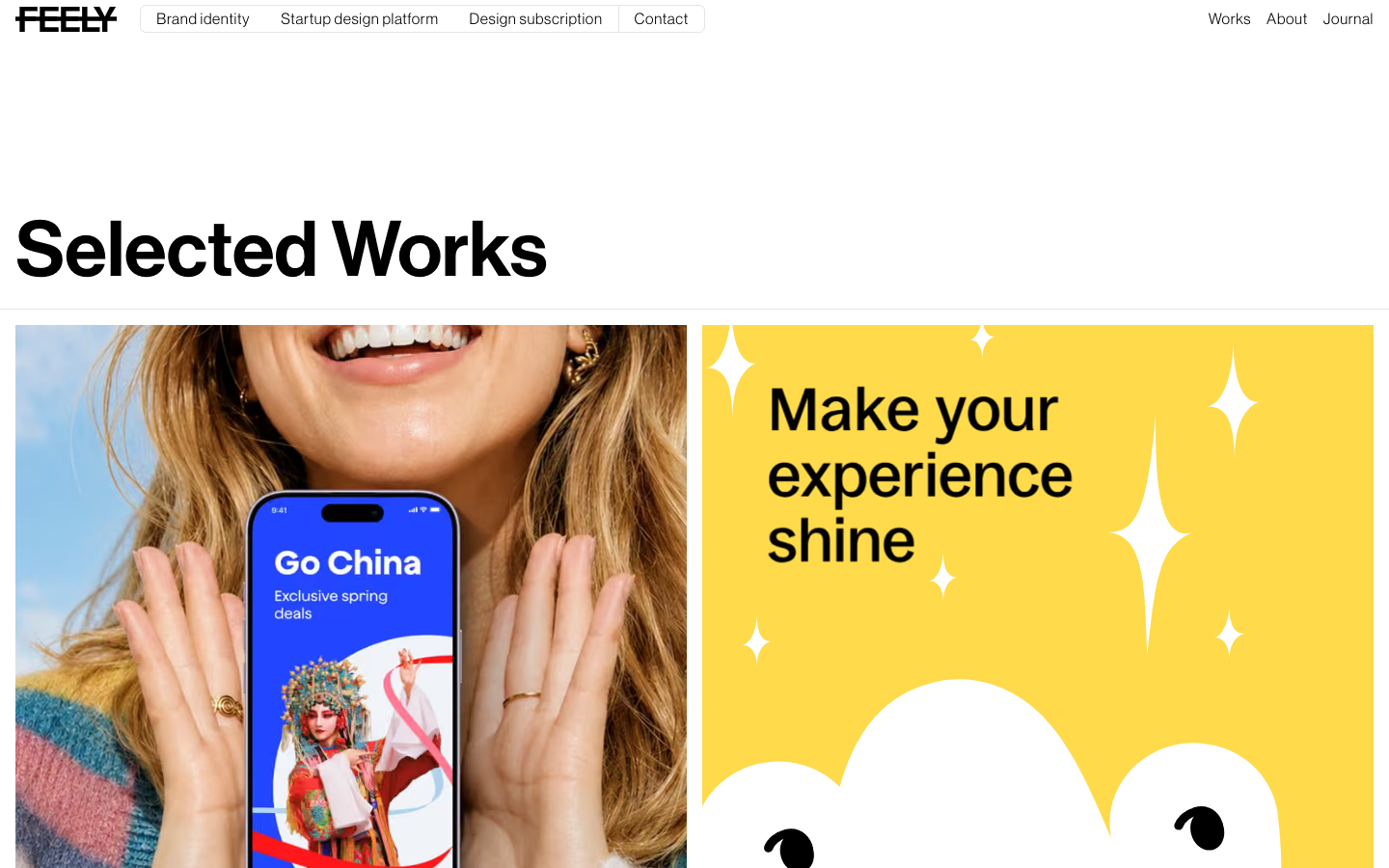
Feely Studio offers motion design services for digital companies, including product videos, animated explainers, UI animations, and video ads.
Feely’s distinguishing feature is its subscription model. Clients book a monthly allocation of design capacity instead of commissioning every asset as a separate project. Motion and video are available alongside website and marketing work, with the option to add dedicated specialist support when needed.
Beyond motion design, Feely handles brand identity, website design and development, and marketing assets such as social media graphics, presentations, and campaign materials. SaaS teams can use the same subscription for different creative tasks as their needs change.
This setup suits companies that regularly need landing pages, product announcements, UI animations, and campaign assets. For larger video productions, it’s worth checking how much specialist capacity is available and how the work fits into the monthly schedule.
2. Vidico: for SaaS explainers, demos, and video campaigns
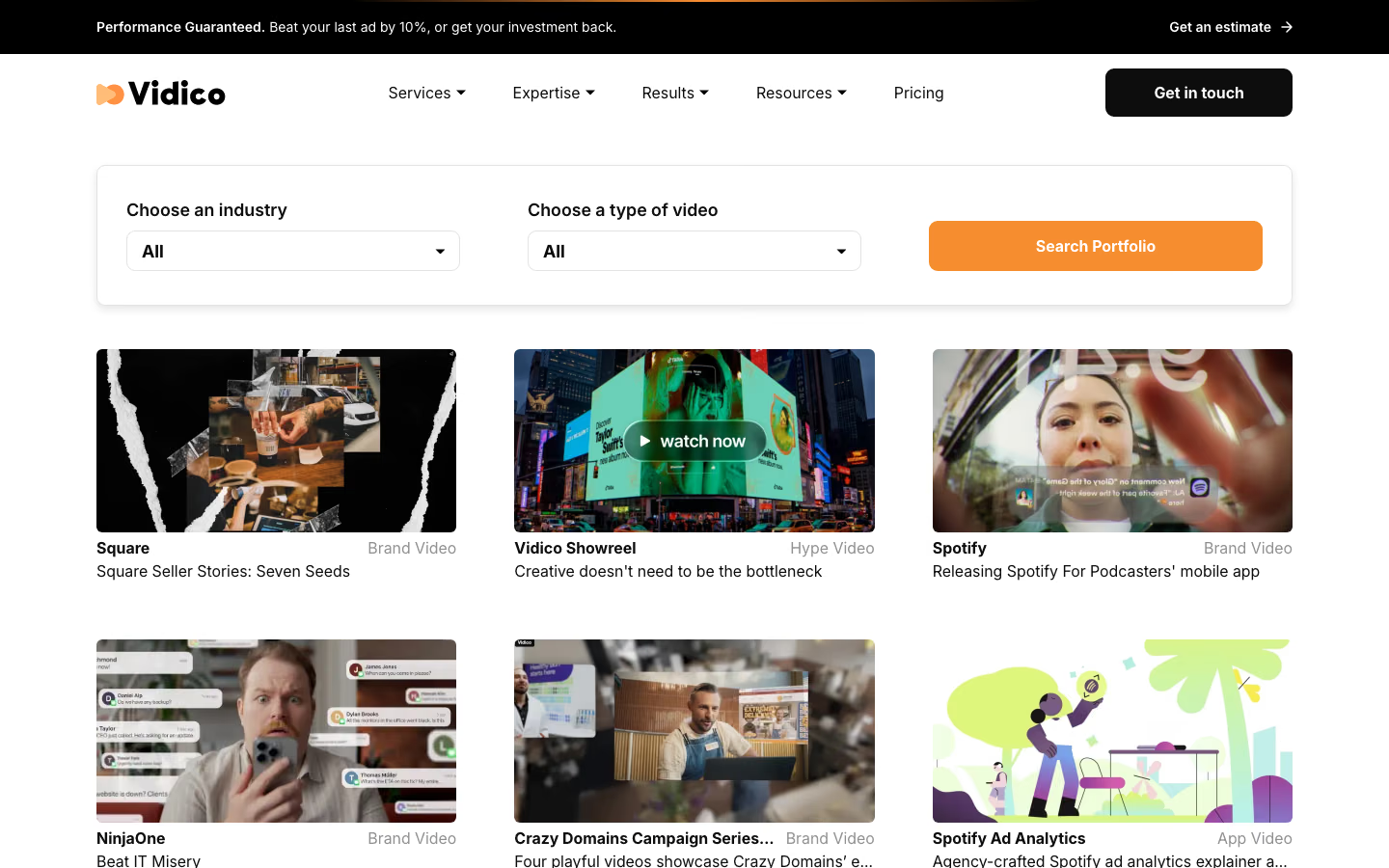
Vidico is a video production agency creating explainers, product demos, app walkthroughs, and advertising content for technology companies. Depending on the project, it uses 2D and 3D animation, live-action filming, and motion graphics, with production covering everything from scripting to final editing.
Vidico also works with SaaS teams that need several videos for the same product. In these cases, reusable visual elements can help keep the videos consistent while allowing each one to focus on a different feature or message.
That’s how the agency approached its work for Josys, an IT management platform. Vidico produced eight short feature demos using shared layouts, transitions, and animation elements. Each video explains a different part of the platform, so viewers can explore individual features without having to watch a full product overview.
Alongside video production, Vidico creates branded templates, design systems, and campaign assets. Its monthly production plans cover ongoing video and creative work, including post-production support for teams creating content regularly.
For companies planning a series of SaaS videos, the reusable assets can also make future updates easier. New feature demos can build on an established visual system rather than starting from scratch.
3. Sandwich: for technology commercials and product launches
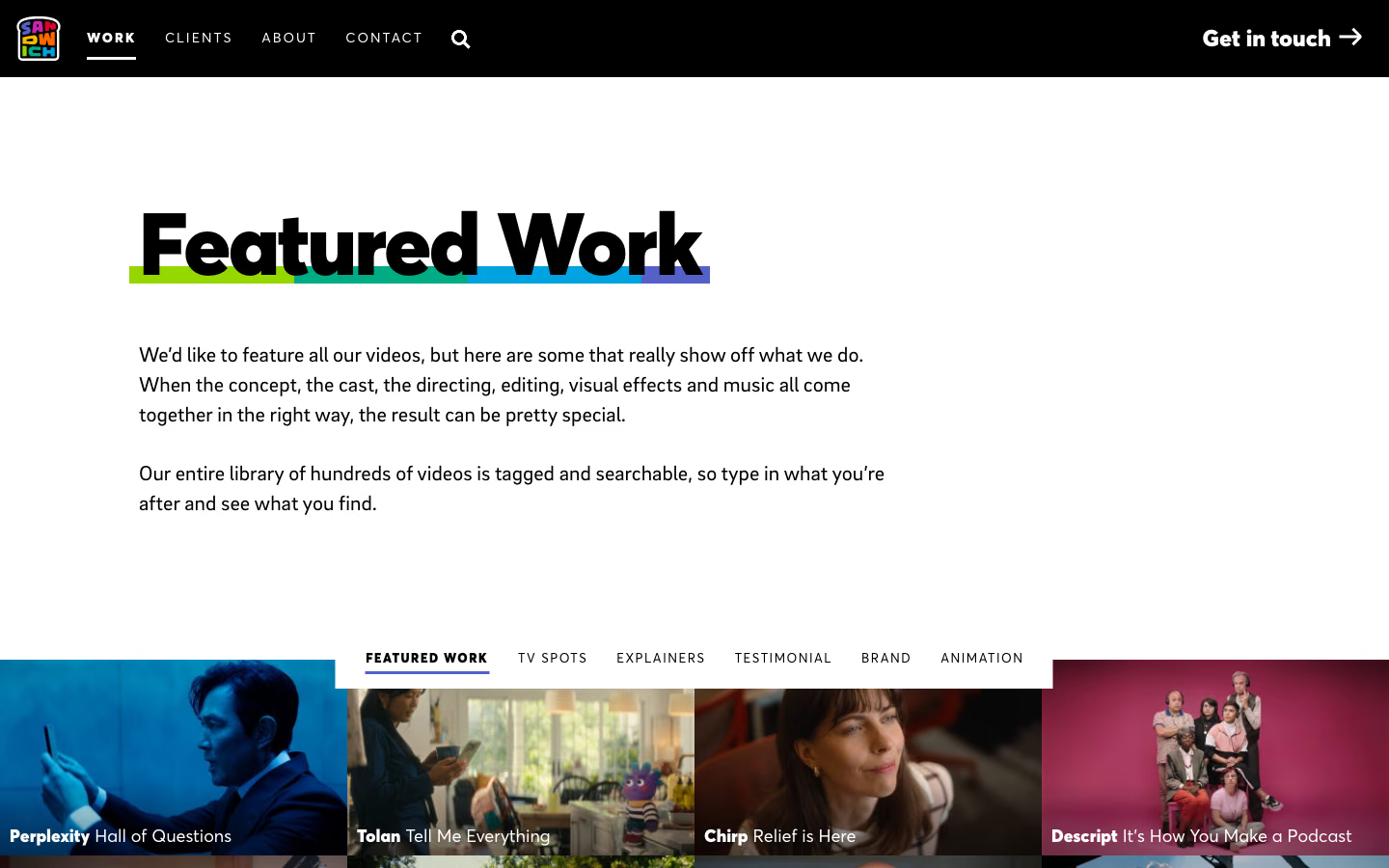
Sandwich specializes in commercials that introduce technology products and tell their stories. The studio produces product launch films, brand campaigns, and television ads, working with startups as well as established companies such as Slack, Square, and Airbnb.
Its approach comes from filmmaking. Sandwich develops the creative concept and script, then brings together the cast, locations, and production crew needed to turn that idea into a film. The team also handles editing, visual effects, and sound, so clients can work with the studio from the initial brief through to the finished commercial.
For Gamma, an AI presentation tool, Sandwich created a live-action commercial that introduces the software through a filmed story. The project reflects the studio’s approach to technology advertising, where the creative concept and production are developed together.
Sandwich can also create shorter social content to accompany a campaign. Its productions are commissioned as custom projects, with the scope depending on the concept, filming requirements, and deliverables.
Because these projects involve several stages of filmmaking, the initial brief should establish which versions of the commercial are needed and where they will be used. That helps determine the production scope before filming begins.
4. Ordinary Folk: for original motion design and animation
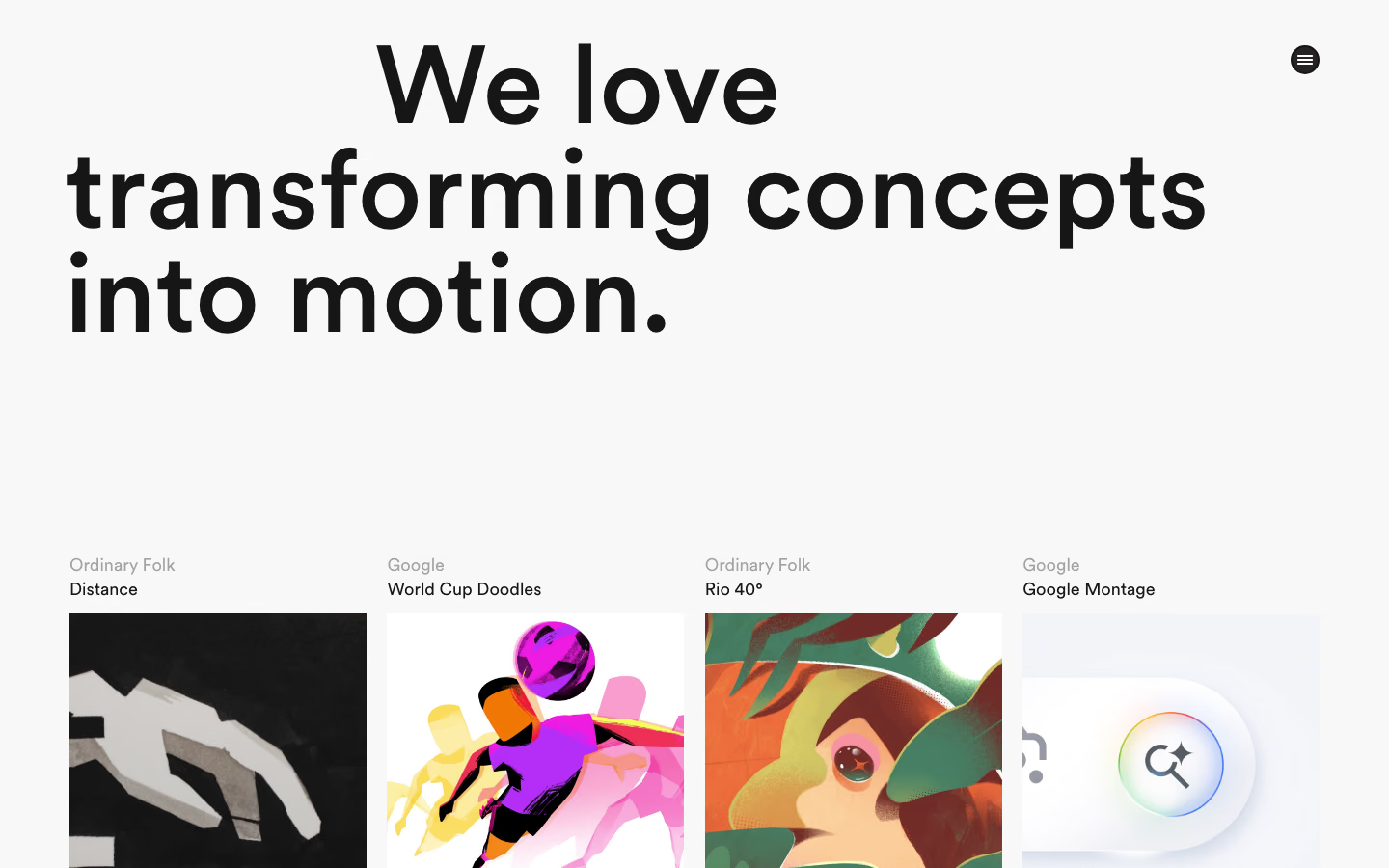
Ordinary Folk is a motion design and animation studio creating animated explainers, brand films, product launch videos, event openers, and logo animations.
The studio works with 2D and 3D animation, illustration, typography, character animation, and sound design. Each project starts with developing a concept and visual direction, which the team then carries through storyboards, animation, and audio production.
Its portfolio shows how that approach works across different formats. For the animated film Introducing Spline, Ordinary Folk combined 2D and 3D animation to introduce the browser-based design tool and its creative possibilities. The studio has also worked with Webflow, Twilio, Google, and TED, including a five-second animated introduction for TED videos.
Ordinary Folk takes on custom animation projects, with the scope shaped by the concept, production requirements, and final deliverables. This gives SaaS teams the option to commission a complete animated film or a smaller piece of branded motion, depending on what they need to communicate.
5. Oddfellows: for visual strategy and motion-led brand systems
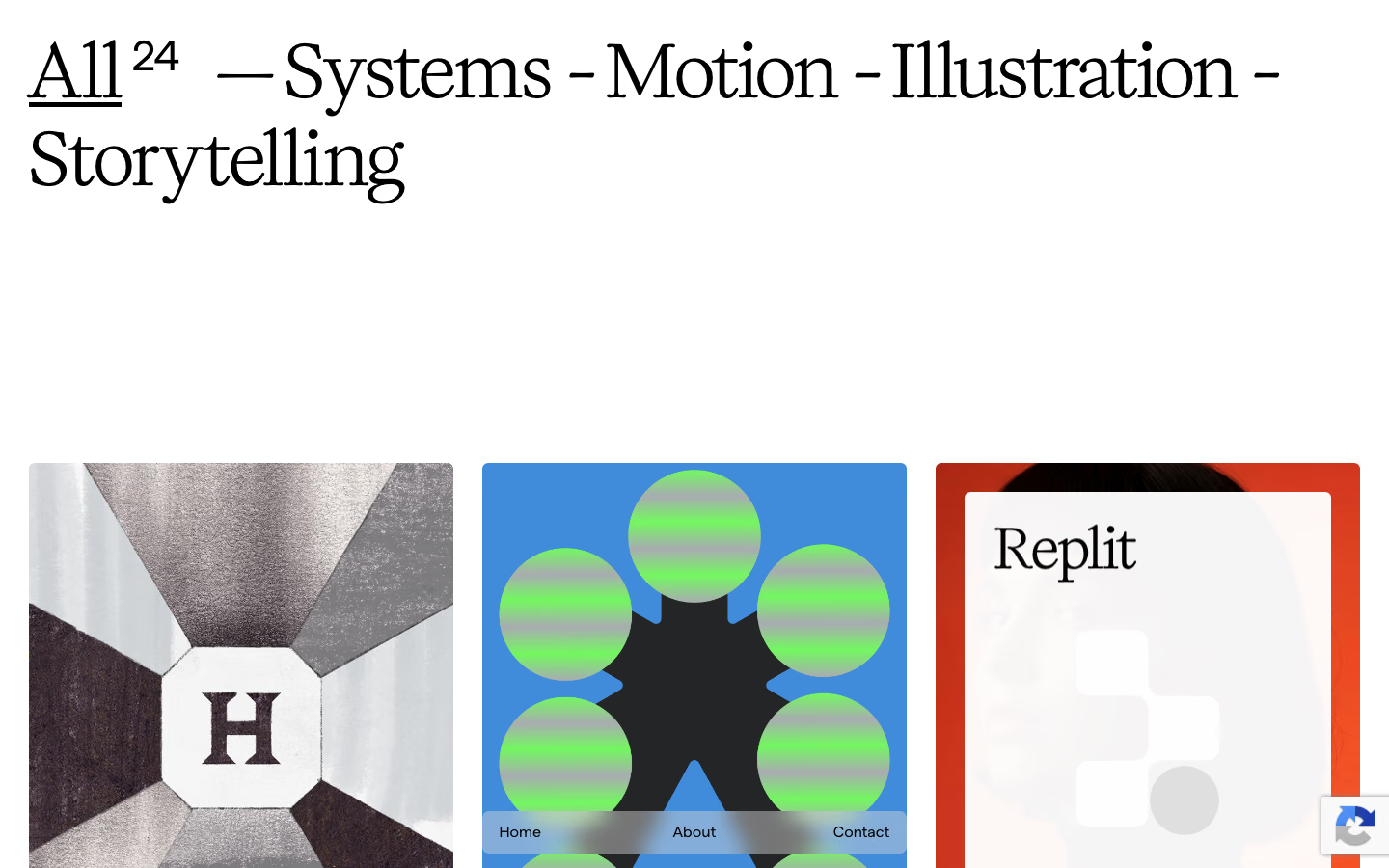
Oddfellows is a visual strategy and storytelling studio that works across design, animation, illustration, and creative direction. It produces brand and product films, but its work also includes visual identities, illustration systems, and motion assets used across campaigns and digital products.
The studio begins with the idea a brand wants to communicate and develops a visual direction around it. That direction can become a single animated film or extend into a collection of materials, giving a company a consistent look across different places where customers encounter its brand.
For Replit, a browser-based coding platform, Oddfellows created a 60-second brand film following the company’s identity refresh. The team combined graphic design, filmed footage, and generative imagery to bring Replit’s new brand direction to life, then developed additional assets that could be used beyond the main video.
Its work for Engine shows the other side of the studio’s capabilities. Across several projects, Oddfellows developed a visual language that connected product interfaces, 3D elements, motion, and advertising. As Engine introduced new products and campaigns, those materials could share a recognizable design without looking identical.
Oddfellows takes on custom creative projects, whether a company needs one film or a wider visual system. For SaaS teams, that flexibility is especially useful when a product launch involves both telling a story and building a visual identity that can carry through future campaigns.
6. Demo Duck: for explainer videos and educational storytelling
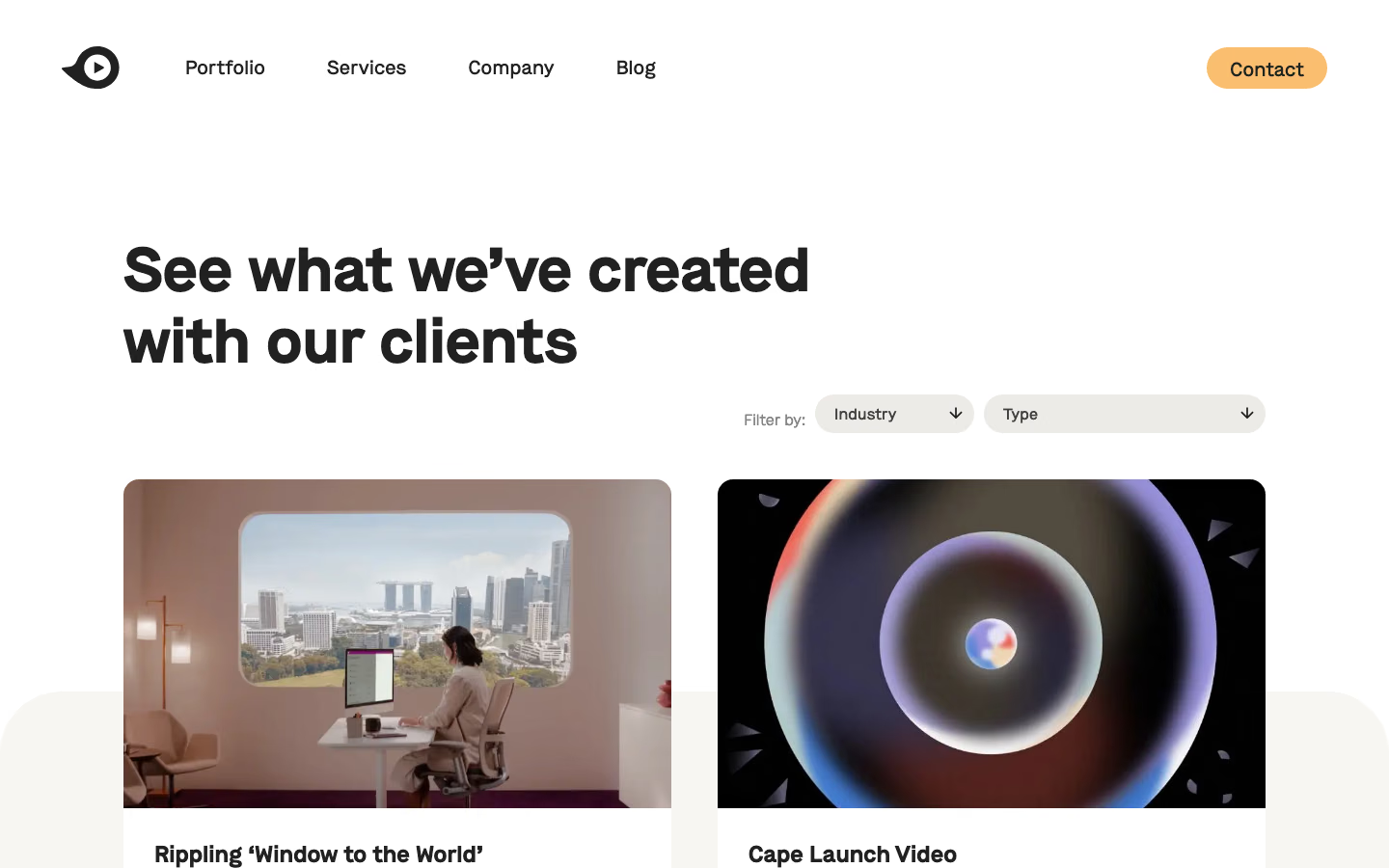
Demo Duck specializes in explainer videos that make products, services, and complex subjects easier to understand. The studio works with SaaS companies and startups, as well as organizations in healthcare, education, and other industries.
Explainers are its main focus, but Demo Duck also produces commercials, customer testimonials, educational content, company stories, and video series. The team handles the full production process, from developing the message and script to filming, animation, editing, and final delivery. Depending on the subject and audience, a project might use 2D animation, live action, or a combination of both.
The studio’s work for Rippling illustrates how those formats can serve different messages. In the animated explainer Endless Apps, Demo Duck uses motion graphics to show the challenges of managing disconnected software. For Magic Wall, it takes a live-action approach to communicating an HR technology message. Both projects explain software-related problems, but each uses a different visual treatment.
Companies can commission a single explainer or work with Demo Duck on a larger video series or campaign. The studio also discusses package pricing for projects involving multiple videos, which may be useful for SaaS teams planning several releases or different types of content.
7. Studio Huncho: for branding, product design, and motion
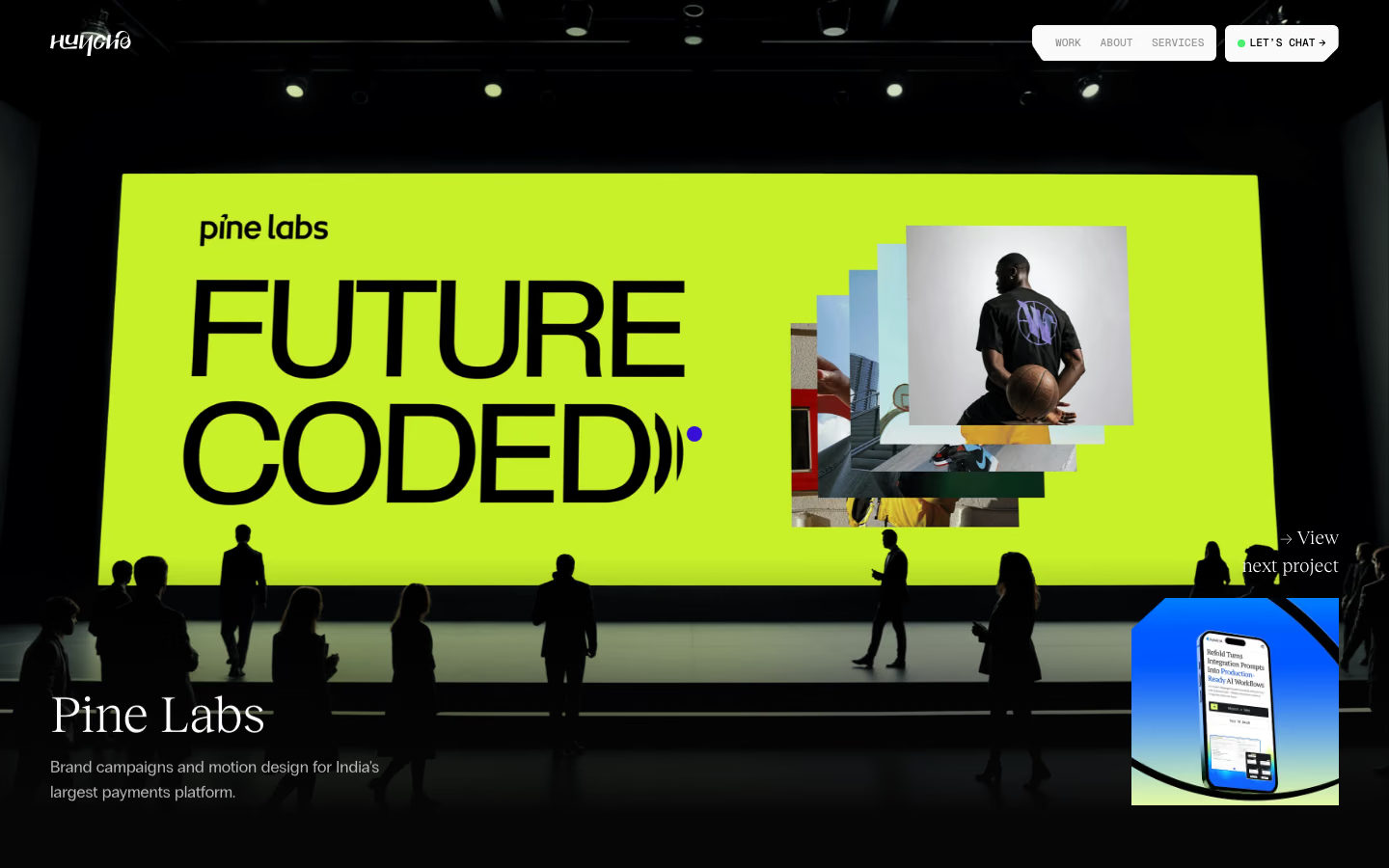
Studio Huncho is a creative design studio working with AI and B2B SaaS companies. Its services cover branding, website design and development, app and product design, and motion, so clients can bring several parts of a digital product or launch together under one creative team.
Motion is part of that wider offering. Studio Huncho creates product demos, explainers, UI and Lottie animations, logo motion, and social content. These assets can accompany a new website or product interface, using the same brand identity and visual elements across each format.
Its work for Rippl shows how these services can come together in one project. When the creator-commerce platform rebranded from ReDesyn, Studio Huncho developed its new identity, redesigned the website, and designed the mobile app from wireframes through to development handoff. The app had to serve both shoppers discovering products and creators managing their storefronts. Motion carried the new visual identity into the product launch, connecting the app, website, and announcement materials.
Pine Labs is an example of a different kind of collaboration. As the payments company’s ongoing motion design partner, Studio Huncho develops animation for product announcements, marketing campaigns, and industry events. Its work includes Agentic AI product animations, Digi QR launch materials, and visuals for Global Fintech Festival, all using a consistent motion language across different initiatives.
These projects also show the studio’s two ways of working: clients can commission a defined project, such as a rebrand or website launch, or continue working with the team on new materials as their products and campaigns develop.
How to choose a motion design studio for your SaaS product
A great portfolio is a good starting point, but there’s more to choosing a studio than finding an animation style you like. Before you reach out, use this checklist to see whether a team has the right experience and production process for your project.
- Start with your video’s goal. Are you introducing a product to new customers, demonstrating a specific feature, or preparing a launch campaign? Knowing what you want viewers to understand will help you find relevant examples in a studio’s portfolio.
- Look for projects similar to yours. Check what the studio was responsible for in each project. Did it develop the concept and script, create the animation, or work from materials supplied by the client? A finished video may look impressive, but knowing the team’s actual contribution gives you a better idea of what you can expect.
- Think about future updates. SaaS products change, and a demo can quickly become outdated after an interface redesign. Ask whether the studio can update individual scenes, reuse existing motion elements, or create more videos in the same style without starting over.
- Check what’s included in production. Does the studio handle the script, storyboards, illustrations, animation, voiceover, and sound? Who provides product screenshots or recordings? Clarifying these responsibilities early helps you understand what the quote actually covers.
- Discuss revisions and deliverables. Find out how feedback and approvals work, how many revision rounds are included, and whether you’ll receive shorter cuts, captions, different aspect ratios, or editable source files.
- Compare proposals using the same brief. Share your audience, key message, product materials, brand guidelines, intended video placements, and deadline with each shortlisted studio. That makes it easier to compare their proposed approach, production scope, and price.
You should come away with a clear picture of both the video a studio can create and what working together will involve.
Hosting your SaaS videos in a player that matches your design
Once your motion design project is ready, the next step is putting it on your website. Whether it’s a product explainer on the homepage or a short demo on a feature page, the video should feel like part of the experience you’ve designed.
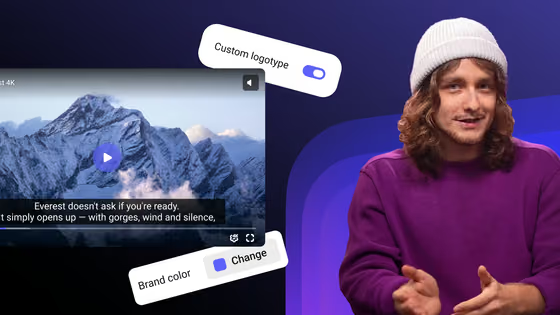
With Kinescope, you can customize the video player to match your website or the visual style of a campaign. Choose your brand colors, add a logo, adjust the player controls, and round the corners to fit the page layout. The player is ad-free, so viewers can focus on your video without unrelated promotions or recommendations.
You can also create different player templates for different types of content. Once you’ve set up a template, you can reuse it across videos and keep their appearance consistent.
For the available options, see our guide to player customization.
Give your SaaS videos a player that fits your design
Match the player to your website with custom colors, branding, and playback controls.
FAQ
It depends on what you’re making. For demos, look for experience with software interfaces. For explainers, focus on clear storytelling. For a brand film, creative direction and animation style matter more. If you need design support beyond video, consider a studio that also handles branding and websites.
The main costs come from scripting, design, animation or filming, sound, and revisions. A simple product walkthrough and a fully animated brand film will need different budgets. Ask studios to break down their quotes and specify what’s included, especially extra video formats and revisions.
Production usually moves from script to storyboard, animation or filming, revisions, and delivery. A straightforward UI demo generally needs less work than a custom animated film. Ask for a schedule with approval dates and a clear deadline for the first draft.
A product demo shows the software in action, usually through real screens and workflows. An animated explainer introduces the product and helps viewers understand what it does. Demos are useful when someone wants to see a feature; explainers work well when they’re still getting to know the product.
Yes. Many studios create video series and campaigns. Reusing layouts, transitions, and animation elements helps the videos look consistent and makes it easier to add new ones later.
2D works well for interface screens, diagrams, and typography. 3D is useful for showing depth, space, or dimensional objects. Some projects combine both. Choose based on what you need to show, rather than the technique itself.
Share your audience, key message, brand guidelines, product screens, video references, and deadline. If the video includes your interface, make sure the studio has up-to-date screens or access to the product. Also decide who will approve the script and visuals.
Choose a hosting platform that supports website embeds and gives you control over the player’s appearance. Kinescope lets you customize colors, branding, and playback controls so the video fits your website’s design.